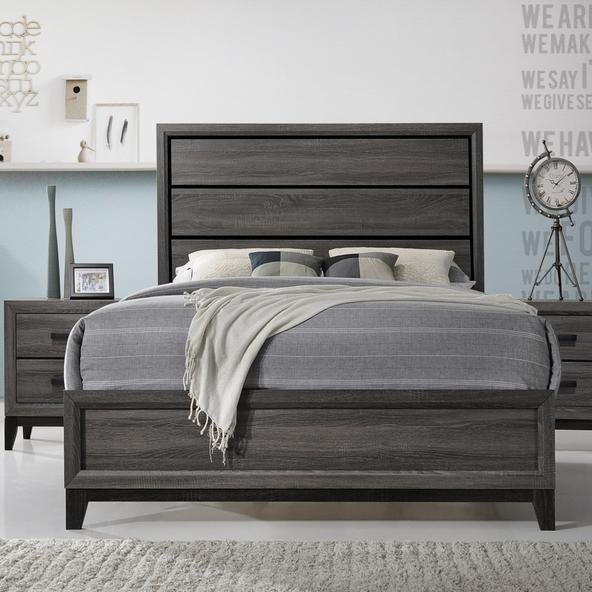
Best King Size Beds Near Arlington, TX
When you’re ready to upgrade to a king-size bed, you’re not just buying furniture—you’re investing in better sleep, more space, and years of comfort.
After helping hundreds of Arlington families find their perfect beds and testing dozens of king bed frames in our showroom, we’ve learned that most buyers make three critical mistakes.
They focus only on price, skip measuring their space properly, and ignore how frame quality affects their mattress warranty.
This guide walks you through everything you need to know about king beds—from understanding what separates a $500 frame from a $2,000 one, to figuring out if your bedroom can actually fit one.
We’ve included our proprietary decision framework, real pricing data from 2026, and the questions most buyers forget to ask until it’s too late.
Whether you’re shopping for your first king or replacing an old one, you’ll learn exactly what to look for, what to avoid, and how to make a choice that works for your space, budget, and sleep needs.
What Is a King-Size Bed?
A standard king-size bed measures 76 inches wide by 80 inches long, giving you 6,042 square inches of sleeping space.
That’s 16 inches wider than a queen but the same length, which means couples get significantly more room to spread out without feeling cramped.
The extra width makes king beds ideal for couples who want personal space, families with young children who climb into bed at night, or anyone who simply enjoys stretching out.
You’re getting roughly the same surface area as a California king (which measures 72″ x 84″), just configured wider instead of longer.
King vs. California King vs. Split King
Standard King works best for average-height couples who value width over length.
It fits most master bedrooms and offers the widest sleeping surface among common sizes.
California King suits taller individuals (over 6’2″) who need the extra four inches of length.
The tradeoff is losing four inches of width, which can feel tighter for two people.
Split King consists of two Twin XL mattresses (38″ x 80″ each) side by side. This configuration works well with adjustable bases, allowing each person to independently control their side.
The downside: you’ll need two sets of Twin XL sheets, and a visible seam will be visible down the middle unless you use a mattress topper.
The Space-Comfort Matrix™: Our Decision Framework
Before you fall in love with a specific bed frame, run it through our Space-Comfort Matrix™—a simple evaluation tool we developed after seeing too many customers struggle with beds that don’t fit their lifestyle.
How to Use the Matrix
Score your situation in three categories, then use your total to determine which king bed type suits you best:
1. Room Size (Score 1-3)
- 1 point: Bedroom under 12′ x 12′
- 2 points: Bedroom 12′ x 12′ to 14′ x 14′
- 3 points: Bedroom over 14′ x 14′
2. Sleep Style (Score 1-3)
- 1 point: Solo sleeper or couple who sleeps close
- 2 points: A Couple who needs moderate space
- 3 points: Couple with kids/pets joining, or restless sleepers
3. Budget Reality (Score 1-3)
- 1 point: Under $1,500 total (frame + mattress)
- 2 points: $1,500-$3,000 total
- 3 points: Over $3,000 total
Your Total Score:
- 3-4 points: Consider staying with a queen or exploring a smaller king frame
- 5-7 points: Standard king bed is your sweet spot
- 8-9 points: Go for a premium king or California king with storage
This framework helps you match your purchase to real-world constraints before emotional decisions take over.
Reference it when comparing specific models to stay grounded in what actually matters for your situation.
Types of King Size Beds (And What They’re Actually Good For)
Platform King Beds
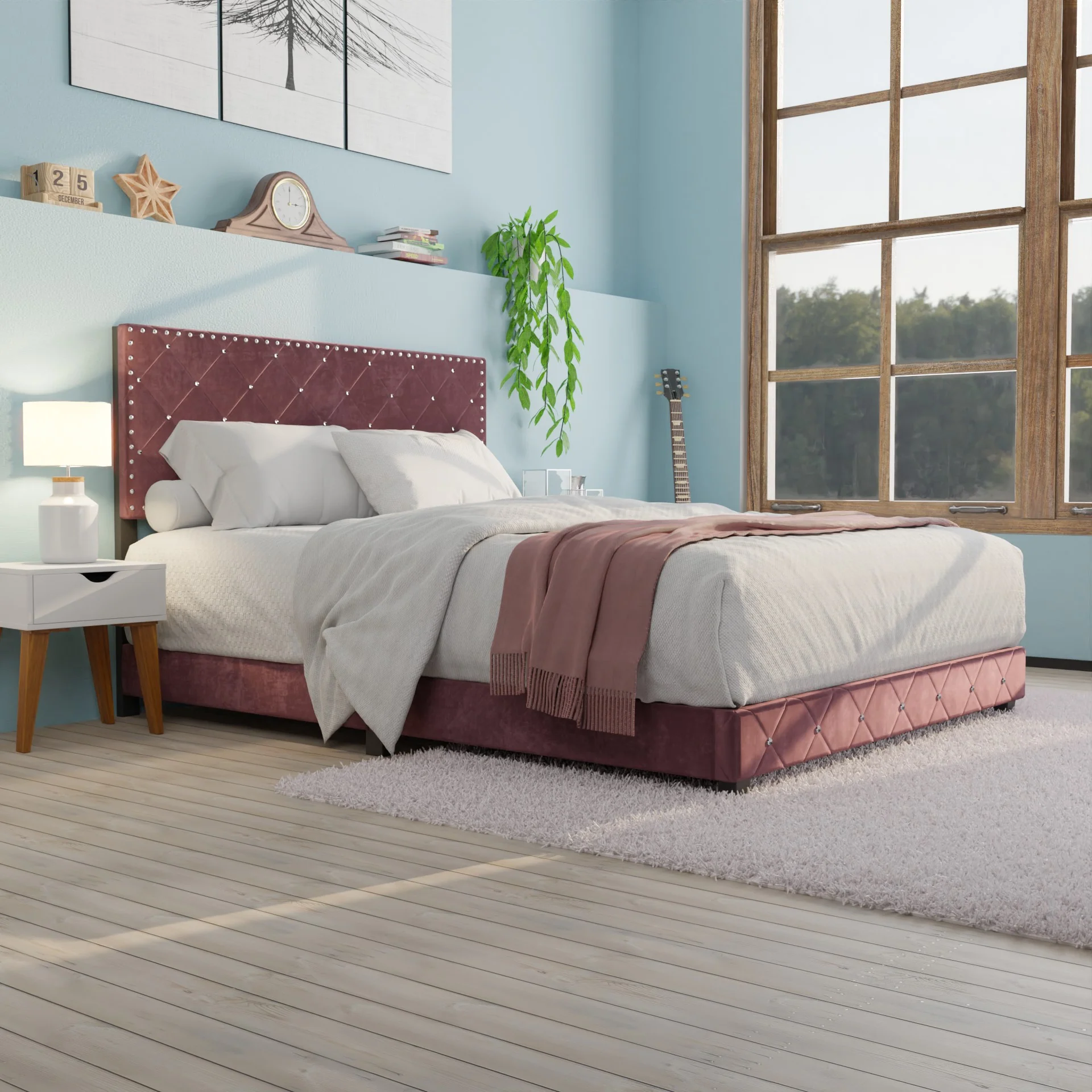
Platform beds feature a solid or slatted base that supports your mattress directly—no box spring needed.
The low-profile design works well in modern bedrooms with lower ceilings and creates a sleek, minimalist look.
Best for: Budget-conscious buyers (eliminates box spring cost), modern aesthetics, memory foam or hybrid mattresses.
Most platform beds offer excellent support when slats are spaced 2-3 inches apart.
Trade-off: Getting in and out requires more bending for taller individuals or anyone with mobility concerns.
Storage King Beds
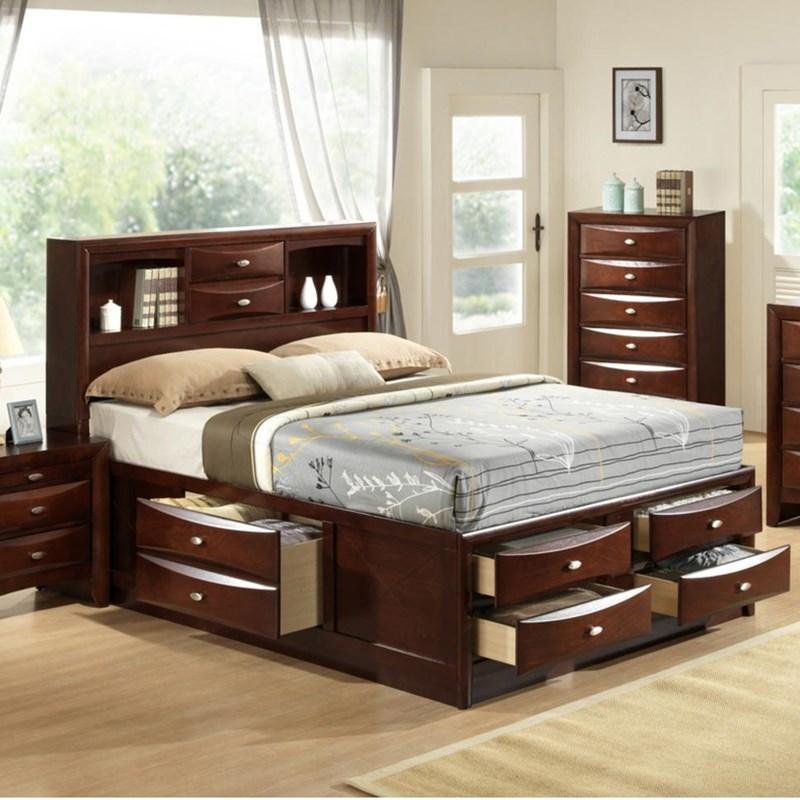
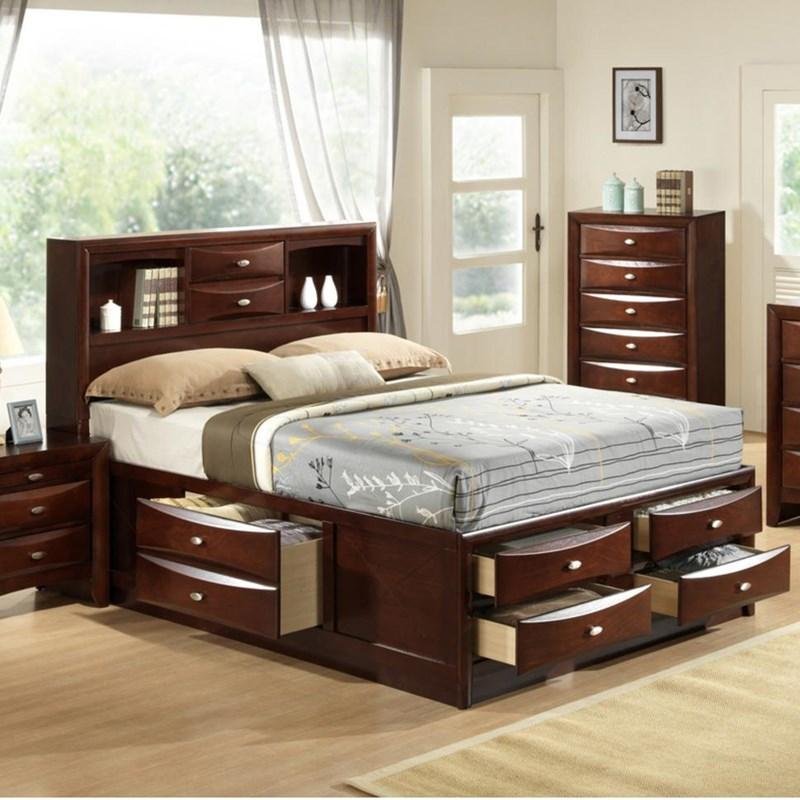
Storage beds include built-in drawers or hydraulic lift mechanisms that reveal compartments beneath the mattress.
Drawer styles typically offer 2-4 drawers on one or both sides, while ottoman-style lifts provide full under-bed access.
Best for: Smaller homes without walk-in closets, organizing extra bedding or seasonal clothes, and maximizing bedroom square footage.
Trade-off: Storage beds add 3-5 inches to the overall height and typically cost $300-$800 more than standard frames.
Drawer mechanisms can break over time if not well-constructed.
Panel King Beds
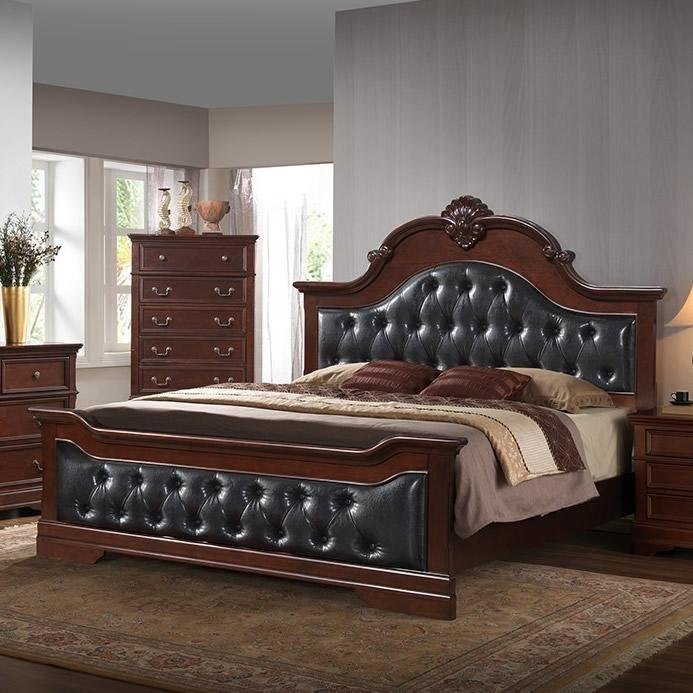
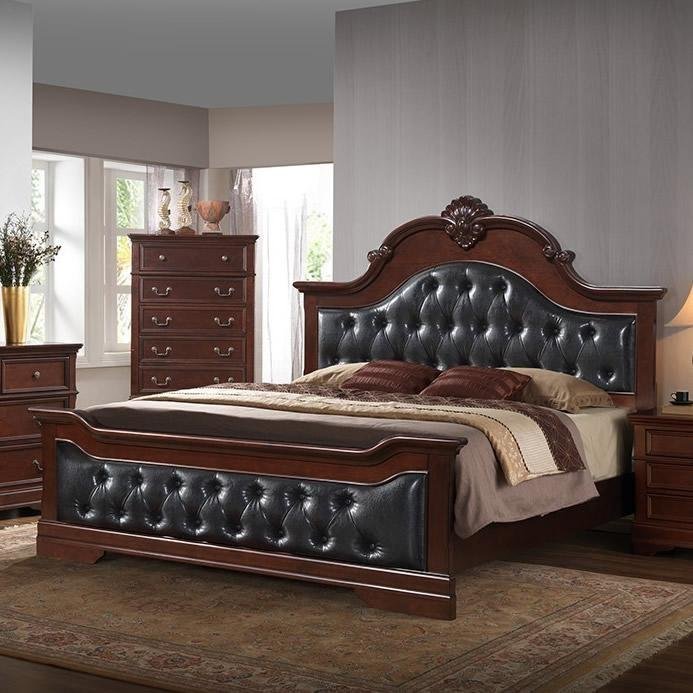
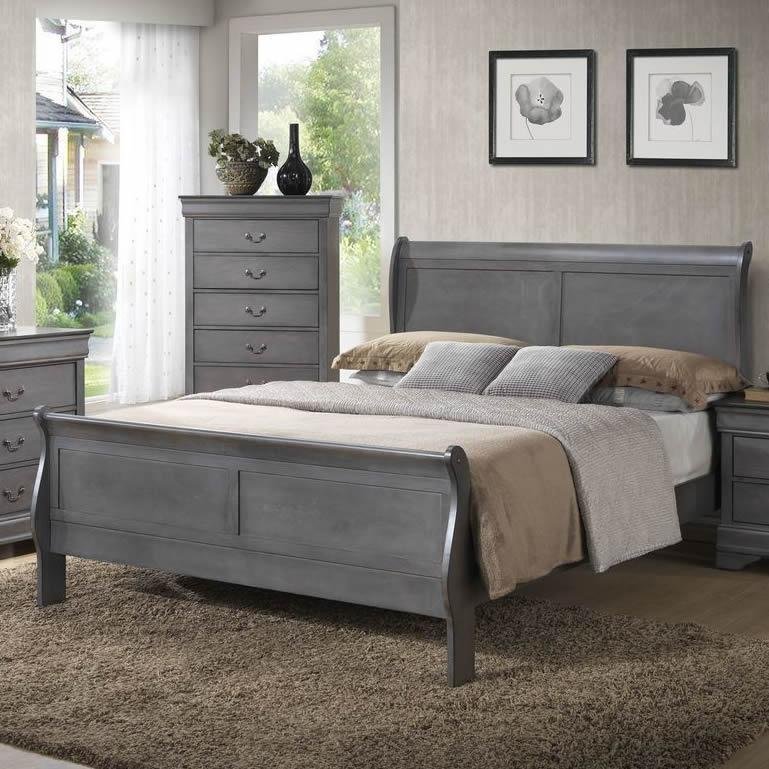
Panel beds feature headboards, footboards, and side rails forming a complete four-wall frame.
The solid construction provides exceptional stability and works beautifully in traditional or transitional bedrooms.
Best for: Heavier mattresses (hybrid or innerspring), couples who want maximum durability, and traditional design preferences.
Trade-off: These frames add significant visual weight to your room. In bedrooms under 13′ x 13′, a panel bed can make the space feel crowded.
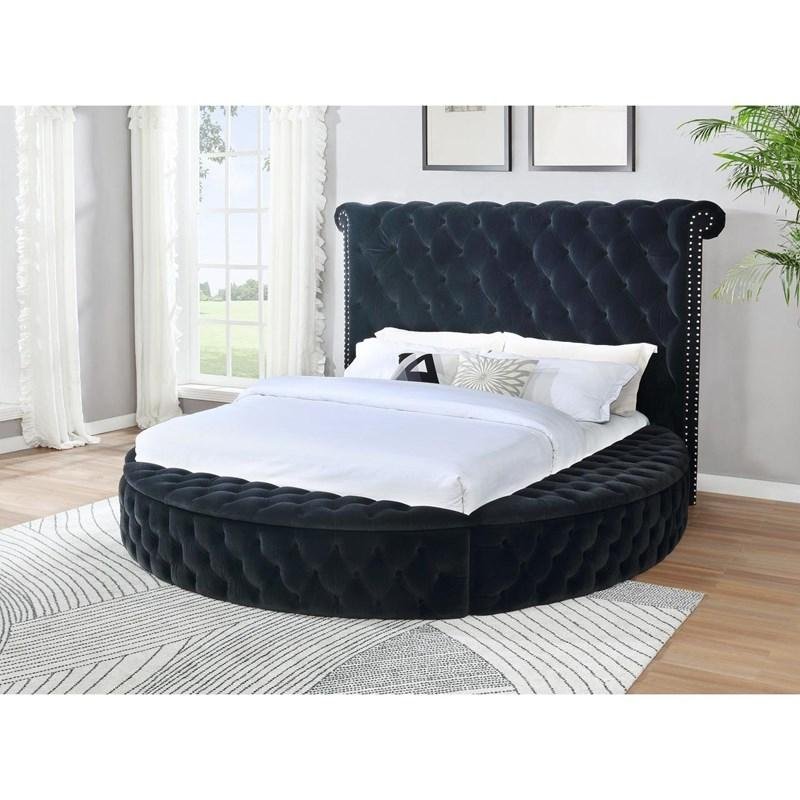
Upholstered King Beds
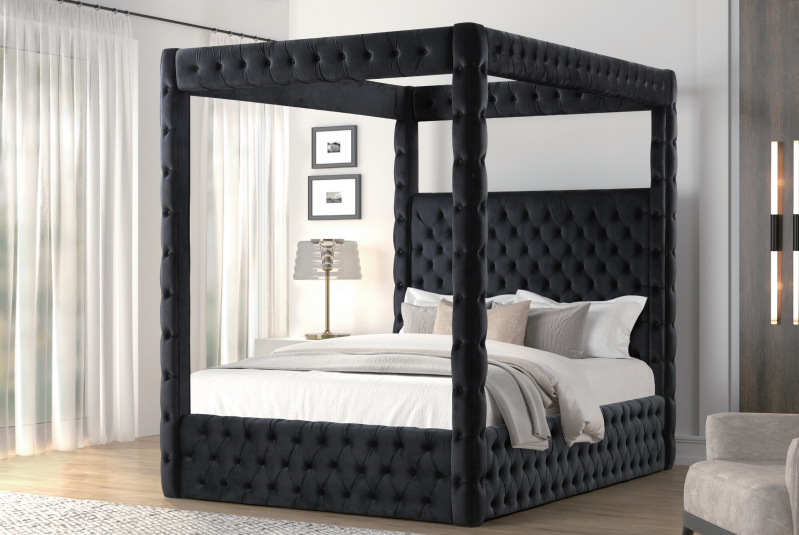
Fabric or leather-wrapped frames with padded headboards offer comfort for sitting up to read or watch TV.
Available in everything from linen and velvet to performance fabrics designed for easy cleaning.
Best for: Readers, TV watchers, anyone who wants a softer look than wood or metal.
The padded headboard eliminates the need for decorative pillows if you prefer a cleaner aesthetic.
Trade-off: Fabric collects dust and requires regular vacuuming. Lighter colors show stains more readily, especially with kids or pets.
Metal King Bed Frames
Steel or wrought iron frames range from industrial minimalism to ornate vintage styles.
Modern metal frames typically support 1,000+ pounds and assemble quickly with minimal hardware.
Best for: Heavier individuals, anyone moving frequently (easier to disassemble), industrial or contemporary spaces, and maximum weight capacity on a budget.
Trade-off: Metal can feel cold to the touch and may produce noise over time as joints loosen.
Quality varies dramatically—reinforced steel frames from reputable brands vastly outperform cheap department store options.
What Most Guides Don’t Tell You About King Beds
The Frame Quality Actually Matters More Than You Think
Your mattress warranty likely requires proper support—typically a frame with slats no more than 3 inches apart or a solid platform.
Cheap frames with widely spaced slats cause premature sagging, and mattress companies won’t cover it under warranty because you violated the support requirements.
We see this constantly: someone buys a $2,000 mattress, pairs it with a $200 frame from a big-box store, then wonders why they’re getting body impressions within 18 months.
The frame failed them, not the mattress.
Doorways Kill More Deliveries Than You’d Expect
Most king mattresses arrive compressed in boxes these days, but bed frames don’t. Measure your doorways, hallway width, and stairwell clearance before you buy.
Standard doorways are 32-36 inches wide—panel beds and headboards often exceed this, requiring creative maneuvering or assembly inside the room.
If you live in an older home or apartment with narrow stairs, confirm your frame can be disassembled into pieces small enough to navigate tight spaces.
The “Bed in a Box” Trap
Compressed mattresses need 24-48 hours to fully expand and off-gas.
Plan accordingly—you can’t sleep on it immediately. More importantly, some bed-in-a-box brands skimp on edge support to make compression easier.
If you sit on the edge to put on shoes or get out of bed frequently, test edge firmness carefully or stick with traditional construction.
Financing Changes the Real Cost
When you’re comparing a $1,800 bed frame to a $2,400 one, the monthly payment difference with 0% financing might only be $25-30.
That’s one dinner out per month. If the higher-quality frame lasts 15 years instead of 8, you’re actually saving money long-term while enjoying better sleep sooner.
Factor financing into your decision if available—it often makes better quality surprisingly accessible.
Step-by-Step: How to Buy Your King Bed
Step 1: Measure Everything
Grab a tape measure and document:
- Bedroom dimensions (length, width, and ceiling height)
- Doorway widths (include closet doors if storing the frame there)
- Space needed for nightstands, dressers, and walking paths
- Ceiling fan clearance if you’re considering a tall headboard
Add a minimum of 30 inches on three sides of where the bed will sit.
This ensures you can walk around comfortably, make the bed, and avoid the claustrophobic feeling that ruins so many king bed purchases.
Step 2: Set Your Real Budget
Determine your total budget, including:
- Bed frame: $499-$3,500
- Mattress: $800-$2,500
- Bedding (king sheets, duvet, pillows): $200-$600
- Delivery/assembly if needed: $50-$150
If you’re financing, calculate the monthly payment you’re comfortable with.
Most furniture retailers offer 12-48 month plans, often with 0% interest for qualified buyers. A $2,000 purchase at 0% for 24 months costs about $83/month.
Step 3: Choose Frame Material Based on Your Priorities
Choose solid wood if: You want classic styling, long-term durability, and don’t mind higher upfront costs ($800-$2,500). Woods like oak, walnut, and mahogany last 20+ years with minimal care.
Choose engineered wood if: You’re budget-conscious but want the wood look ($499-$1,200).
Quality engineered wood with veneer finishes looks nearly identical to solid wood but weighs less and costs less.
Choose metal if: Maximum weight capacity matters most, you have a modern aesthetic, or you move frequently ($399-$1,500).
Heavy-duty steel frames support 1,500-2,500 pounds.
Choose upholstered if: Comfort matters more than ease of cleaning, you read in bed regularly, or you’re creating a luxury hotel vibe ($700-$3,000).
Step 4: Pick Your Support System
Platform base (slats or solid): Supports mattress directly, eliminates box spring cost, works with all mattress types.
Verify slats are no more than 3 inches apart for warranty compliance.
Traditional slat frame: Requires a box spring, adds 8-10 inches to total height, better for older innerspring mattresses.
Adjustable base: Premium option ($800-$3,000 per base) for split king setups. Allows head/foot elevation, great for acid reflux, snoring, or reading. Requires special “adjustable-friendly” mattresses.
Step 5: Test Before You Commit
If buying online, confirm the return policy covers king sizes (some brands charge restocking fees for larger items). If buying locally:
- Sit on the edge to test frame stability
- Lie in your normal sleep position for at least 10 minutes
- Check for squeaking when you shift weight
- Examine corner joints and hardware quality
- Ask about floor models or open-box discounts
Step 6: Plan Delivery and Setup
Professional white-glove delivery ($100-$300) includes:
- Inside delivery to your bedroom
- Unpacking and assembly
- Box spring/old mattress removal
- Debris cleanup
DIY delivery works if you have help and a truck. King frames typically weigh 80-200 pounds, depending on the material.
Budget 1-2 hours for assembly—some frames are tool-free, others require basic tools and patience.
Step 7: Protect Your Investment
After your bed arrives:
- Follow manufacturer break-in instructions (usually 30-60 days for foam mattresses)
- Register the warranty (keeps you eligible for claims)
- Use a mattress protector immediately (voids warranty if your mattress gets stained)
- Rotate mattress every 3-6 months (unless it’s one-sided)
- Vacuum under the bed monthly (prevents dust buildup that attracts allergens)
Common Problems & How to Avoid Them
Problem: “The bed overwhelms my room.”
Why it happens: You measured the bed but didn’t visualize it with nightstands, dressers, and walking space.
Fix: Use painter’s tape to outline the bed’s footprint on your floor before buying.
Live with it for 48 hours. If it feels cramped, consider a queen or smaller king frame style.
Problem: “It won’t fit through my door.”
Why it happens: Panel beds and large headboards can’t navigate standard 32″ doorways.
Fix: Confirm your frame disassembles into pieces smaller than your narrowest doorway. Many modern beds use modular headboards specifically for this reason.
Problem: “My mattress is sagging after 18 months.”
Why it happens: Insufficient support from widely spaced slats or a weak center beam.
Fix: Check your slat spacing (should be ≤3 inches). Add a bunkie board (thin plywood support) between the frame and mattress if needed.
For king beds, a center support beam is essential—the 76″ width sags without it.
Problem: “It’s too tall or too low.”
Why it happens: Platform beds sit 10-15 inches off the floor, while traditional frames with box springs reach 24-30 inches.
Fix: Measure from the floor to your knee. Ideal bed height is at or slightly below knee height for easy entry/exit.
Add or remove a box spring to adjust if you’re stuck with the wrong frame height.
Problem: “It squeaks constantly.”
Why it happens: Loose bolts, metal-on-metal contact, or poor joint design.
Fix: Tighten all hardware every 6 months. Put rubber washers between metal components.
Apply furniture wax to wood joints. If squeaking persists, the frame quality is subpar—this is why we emphasize solid construction up front.
Benefits of Upgrading to a King Bed
Immediate benefits:
- 16 inches more width than a queen (each person gets 38″ vs. 30″)
- Reduced sleep disruptions from partner movement
- Space for kids or pets without feeling squeezed
- More comfort for taller individuals (though Cal King is better if you exceed 6’2″)
Long-term benefits:
- Better sleep quality leads to improved health markers
- Relationships often improve with better rest and personal space
- Higher resale value when selling your home (master bedroom with a king is standard expectation)
- Less frequent replacement needed with quality frames (15-20 year lifespan vs. 7-10 for cheaper options)
Trade-offs to consider:
- Costs $400-$800 more than queen equivalents
- Bedding costs increase (king sheet sets run $50-$150 vs. $35-$100 for queen)
- Requires a larger bedroom (minimum 12′ x 10′)
- Heavier to move if you relocate frequently
Buying Tips: What We Tell Our Arlington Customers
In-Store vs. Online
Buy in-store if: You’re uncertain about firmness, want to test multiple options side-by-side, need it delivered this week, or prefer negotiating in person.
Local showrooms also help with after-sales issues faster than email support.
Buy online if: You’ve researched thoroughly, know exactly what you want, prioritize lower prices (no showroom overhead), and can wait 1-2 weeks for delivery.
Online return policies have improved dramatically—many now offer 100+ night trials.
When to Buy
Holiday sales (Presidents Day, Memorial Day, July 4th, Labor Day, Black Friday) typically offer 20-40% off.
End of the month is also smart—sales teams have quotas to hit and negotiate more aggressively.
New models are released in spring and fall, making older inventory discounted.
If you don’t need the latest tech features, ask about floor models or previous-year versions.
Negotiation Reality
Mattresses have 50%+ markups at traditional retailers, so there’s room to negotiate.
Bed frames have less margin (typically 20-30%). Asking for free delivery, discounted bedding, or an extended warranty often works better than demanding huge price cuts.
Be ready to buy today if they meet your offer—”I need to think about it” kills your negotiating position.
Red Flags to Walk Away From
- Frames advertised without weight capacity specifications
- Slat spacing over 3 inches (mattress warranty risk)
- No center support beam on king frames
- Brands you can’t find reviews for online
- Salespeople who pressure same-day purchase with limited-time offers
- Return policies with restocking fees over 20%
If you’re shopping locally in Arlington, visit our showroom to test options in person. We’ll help you find the perfect balance of comfort, durability, and budget without pressure tactics. Bring your room measurements, and we’ll confirm everything fits.
If you’re ready to shop online, explore our king bed collection at blackbedset.com.
Filter by material, storage options, and price range to narrow your choices quickly.
Either way, take advantage of our financing options—low monthly payments make quality sleep accessible without waiting months to save up.
A king bed is a 10+ year investment in your rest, health, and daily energy. Make it count.
👉 Shop King Size Beds Online
👉 Visit Our Arlington Showroom
👉 Learn About Financing Options