
 Bedroom set
 King Size Beds
 Queen Size Beds
 Full Size Beds
 Daybeds
 Dresser & Mirrors
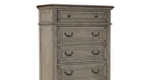 Chest of Drawers
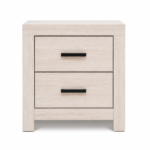 Nightstand
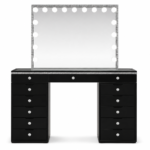 Vanity
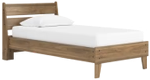 Twin Size
 Livingroom Set
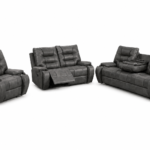 Recliner
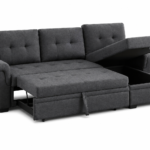 Sectional Couch
 Loveseat
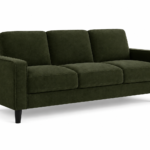 Sofas
Sofas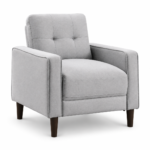 Chairs
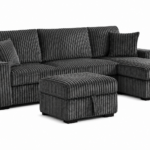 Sleeper Sofa
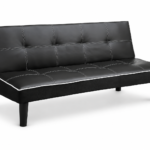 Sofa Bed & Futon
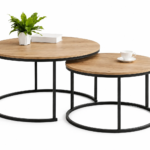 Coffee Table & End Table
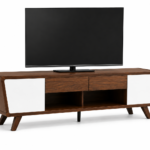 Tv Stands
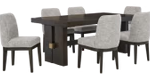 Dining Sets
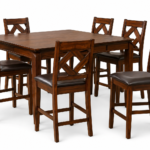 Chairs & Tables
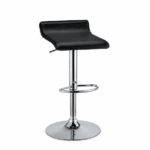 Counter & Stools
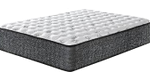 King Size Mattresses
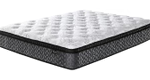 Queen Size Mattresses
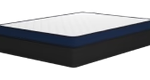 Full Size Mattresses
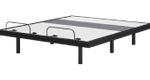 Box Spring Foundation
 Bunk Beds
 Loft Beds
 Trundle Beds
 Home Office
 Desks
Desks
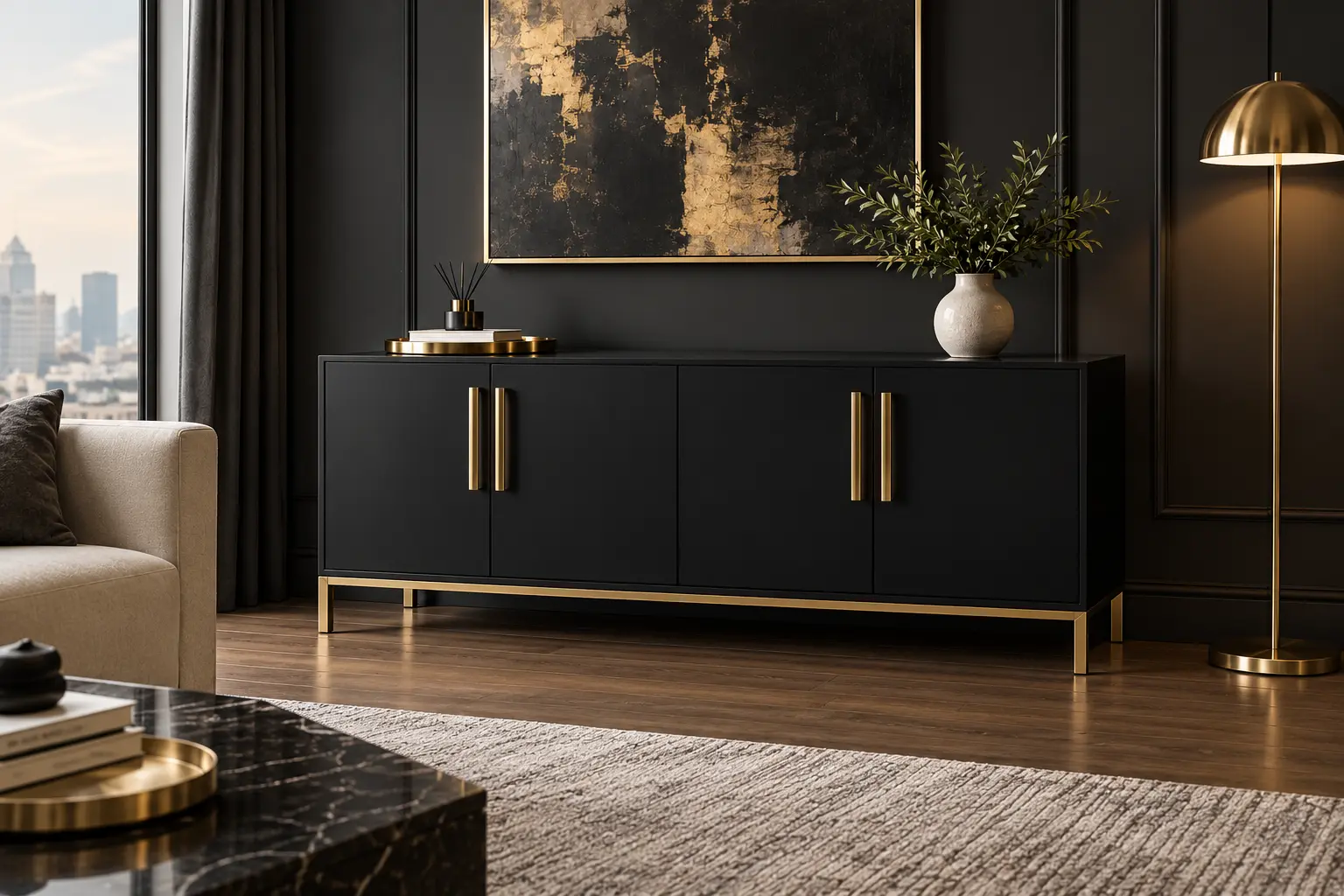
The Power of the Accent Cabinet
Elevating your home doesn’t require a full renovation, sometimes all it takes is one striking piece of furniture that pulls double duty. That’s exactly what an accent cabinet delivers. Part sculpture, part storage solution, an accent cabinet is functional art: it swallows clutter, organizes everyday essentials, and gives a room a focal point that a plain wall or an empty corner simply can’t provide. As open-concept living and smaller footprints have become the norm, homeowners are leaning into multi-functional furniture that looks intentional rather than utilitarian. An accent cabinet answers that call. It’s not just a place to stash linens, remotes, or serving ware, it’s a design statement that ties a room together. Whether you’re furnishing a first apartment, refreshing a family living room, or filling an awkward gap in a hallway, the right accent cabinet does more work per square foot than almost any other piece you can buy. In this guide, we’ll walk through every major style, material, color, size, and placement option so you can find the accent cabinet that fits your space and your life.STYLISH STORAGE SOLUTIONS
Ready to Find Your Perfect Accent Cabinet?
Discover modern, farmhouse, and custom sizes. Connect with our experts right now to check stock availability and styling options.
Exploring Styles and Materials: From Modern to Rustic
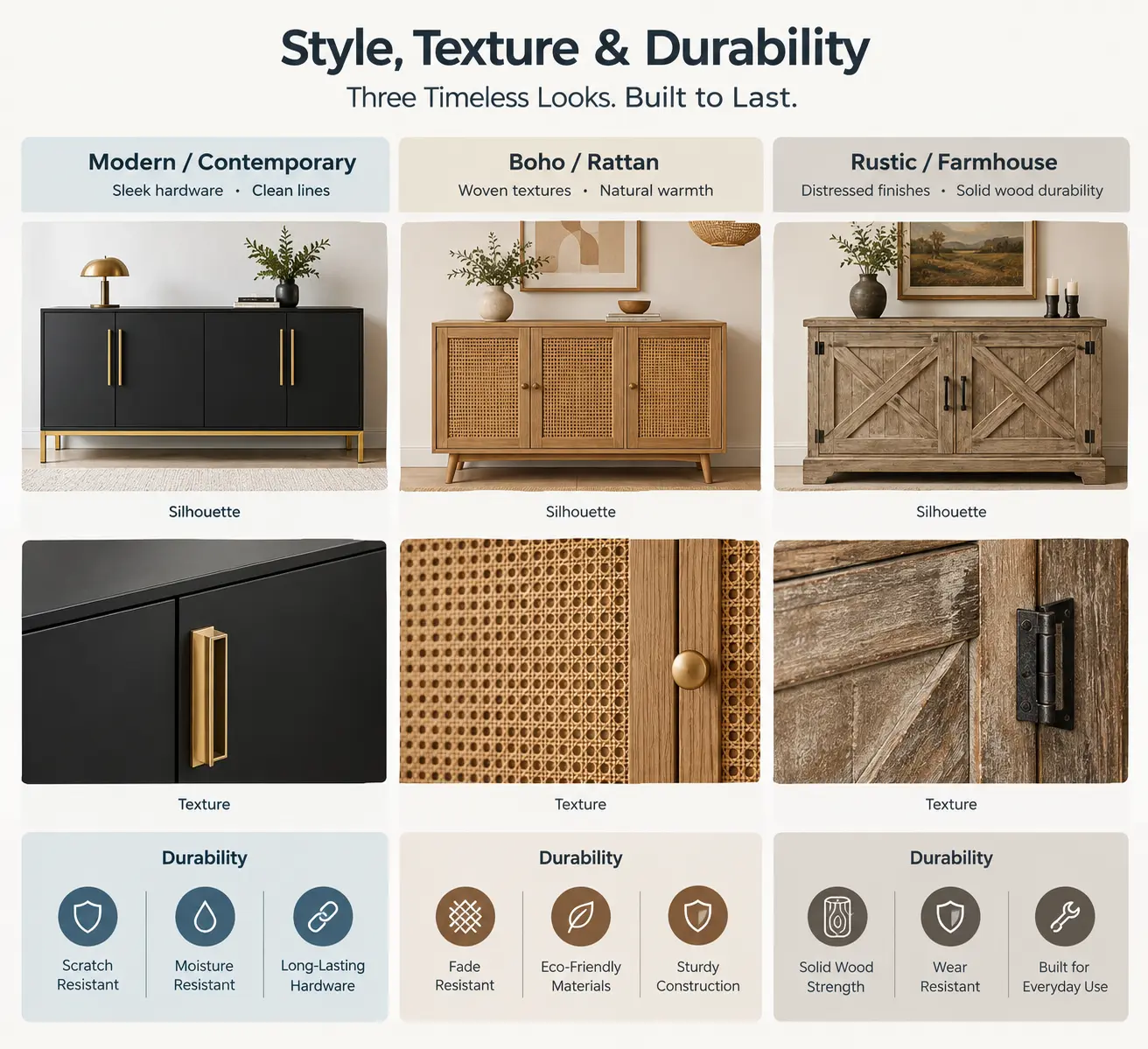
The beauty of the accent cabinet category is its sheer range. There’s a silhouette for every aesthetic, which means you don’t have to compromise your design vision to gain storage. For clean-lined interiors:- A modern accent cabinet favors sleek hardware, geometric shapes, and uncluttered surfaces.
- A contemporary accent cabinet takes those same principles and adds current trends mixed materials, matte finishes, and asymmetrical detailing.
- A mid century modern accent cabinet brings tapered legs, warm wood tones, and retro hardware for a nostalgic yet timeless feel.
 For warmth and character:
- Farmhouse accent cabinet and rustic accent cabinet styles lean on distressed finishes, visible wood grain, and shaker-style paneling.
- A vintage accent cabinet whether an authentic antique find or a new piece styled to look aged adds instant story and patina to a room.
- Rattan accent cabinet and boho accent cabinet designs bring in natural woven textures that soften a space and add tactile interest.
MATERIAL & SIZE GUIDANCE
Have Questions About Dimensions or Finishes?
Compare solid wood vs. engineered options, or find narrow and corner configurations built for small spaces.
Color Palette and Finishes: Making a Statement
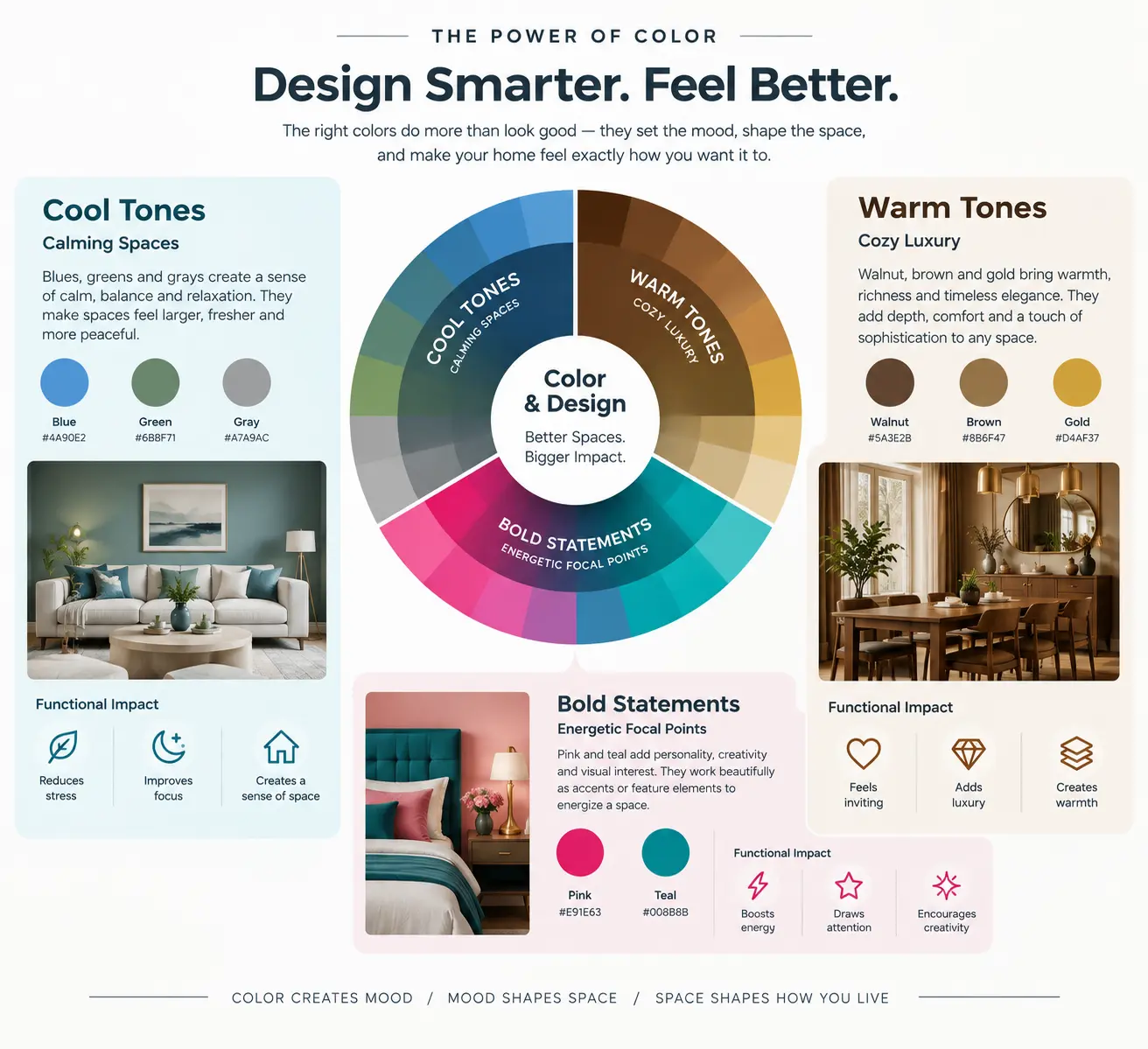
Once you’ve settled on a style, color is where an accent cabinet really earns its name; it’s meant to accent the room, after all. Neutral staples that work with almost anything:- A black accent cabinet adds instant contrast and grounds a room, especially against lighter walls.
- A white accent cabinet keeps things airy and pairs effortlessly with almost any color scheme.
- A gray accent cabinet (or grey accent cabinet) splits the difference soft enough to blend in, structured enough to stand out.
- A brown accent cabinet offers warmth without demanding attention.
- A blue accent cabinet or deeper navy blue accent cabinet brings sophistication and depth.
- A green accent cabinet channels the biophilic design trend, echoing the calming effect of houseplants.
- A teal accent cabinet sits at the intersection of blue and green for a jewel-toned statement.
- A pink accent cabinet injects playful energy into a nursery, powder room, or eclectic living space.
 Warm tones and metallics:
- A walnut accent cabinet showcases rich, natural wood grain that feels both classic and current.
- A gold accent cabinet whether through hardware accents or a full gilded finish adds a luxe, glamorous touch.
Maximizing Space: Sizes and Configurations
Not every home has room for a bulky statement piece, and that’s where thoughtful sizing comes in. Space-saving profiles:- A narrow accent cabinet or slim accent cabinet fits neatly into hallways, behind doors, or beside furniture without eating up floor space.
- A small accent cabinet works well in apartments, bedrooms, or as a bedside alternative.
- A corner accent cabinet makes use of an otherwise wasted triangle of floor space ideal for dining nooks or living rooms with an awkward layout.
- On the flip side, a tall accent cabinet maximizes vertical storage when floor space is limited but ceiling height isn’t.
- An accent cabinet with doors conceals contents for a streamlined look.
- A 2 door accent cabinet typically offers a balanced, symmetrical silhouette with two independent storage compartments.
- An accent cabinet with drawers is ideal for smaller items think linens, office supplies, or kitchen tools that benefit from a pull-out format.
- An accent cabinet with glass doors lets you display curated items (books, glassware, decor) while still keeping dust at bay.
- A well-designed accent storage cabinet often combines drawers, shelves, and doors for maximum versatility in one footprint.
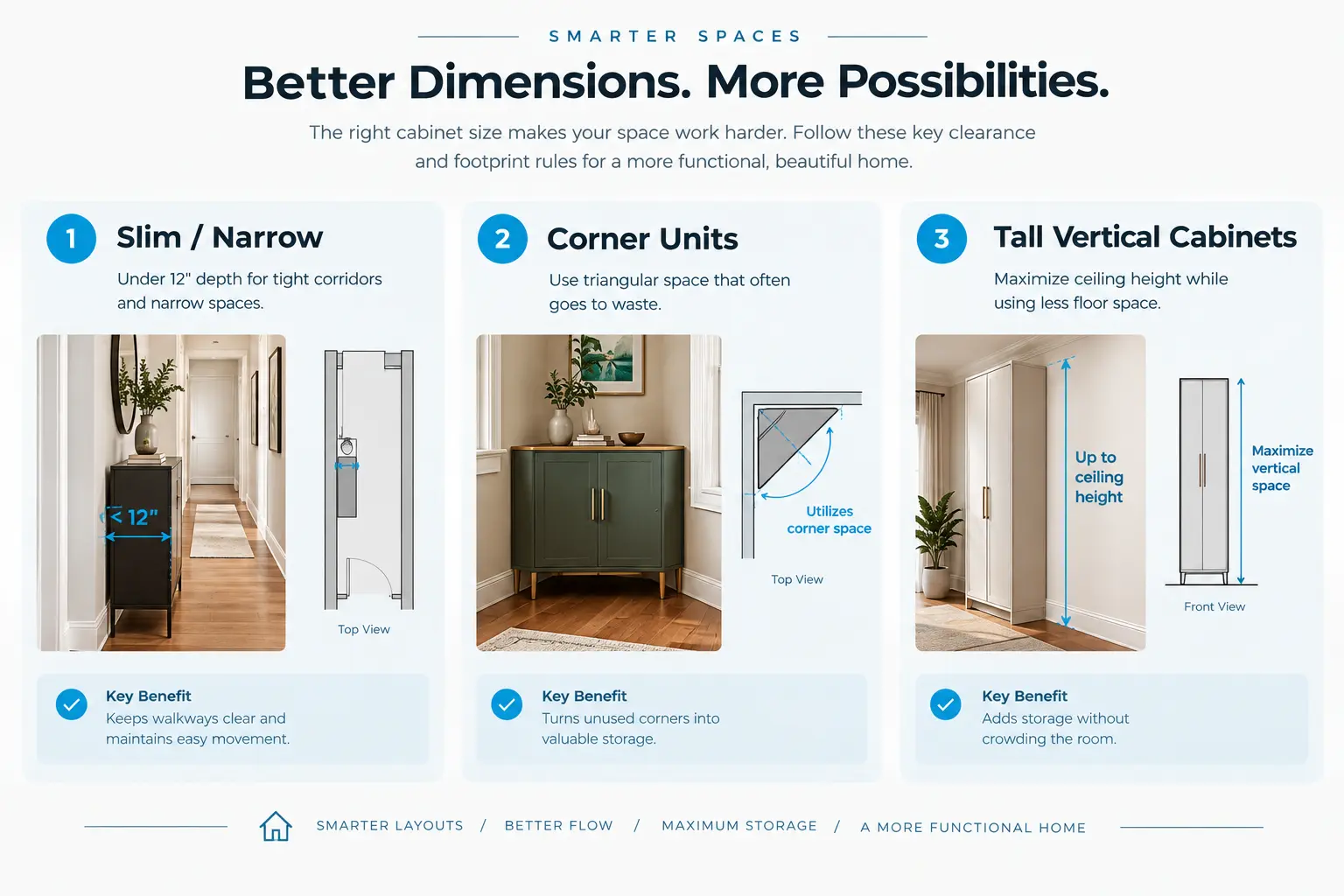 Urban apartment-living data consistently shows that vertical storage and multi-use furniture are top priorities for smaller floor plans which is exactly why tall, narrow, and corner-friendly accent cabinets have surged in popularity.
EXCLUSIVE COLLECTION
Secure Your Accent Cabinet Today
Don’t compromise on your home decor. Speak directly with our team to check delivery slots and payment options.
Placement Guide: Where to Use Your Accent Cabinet
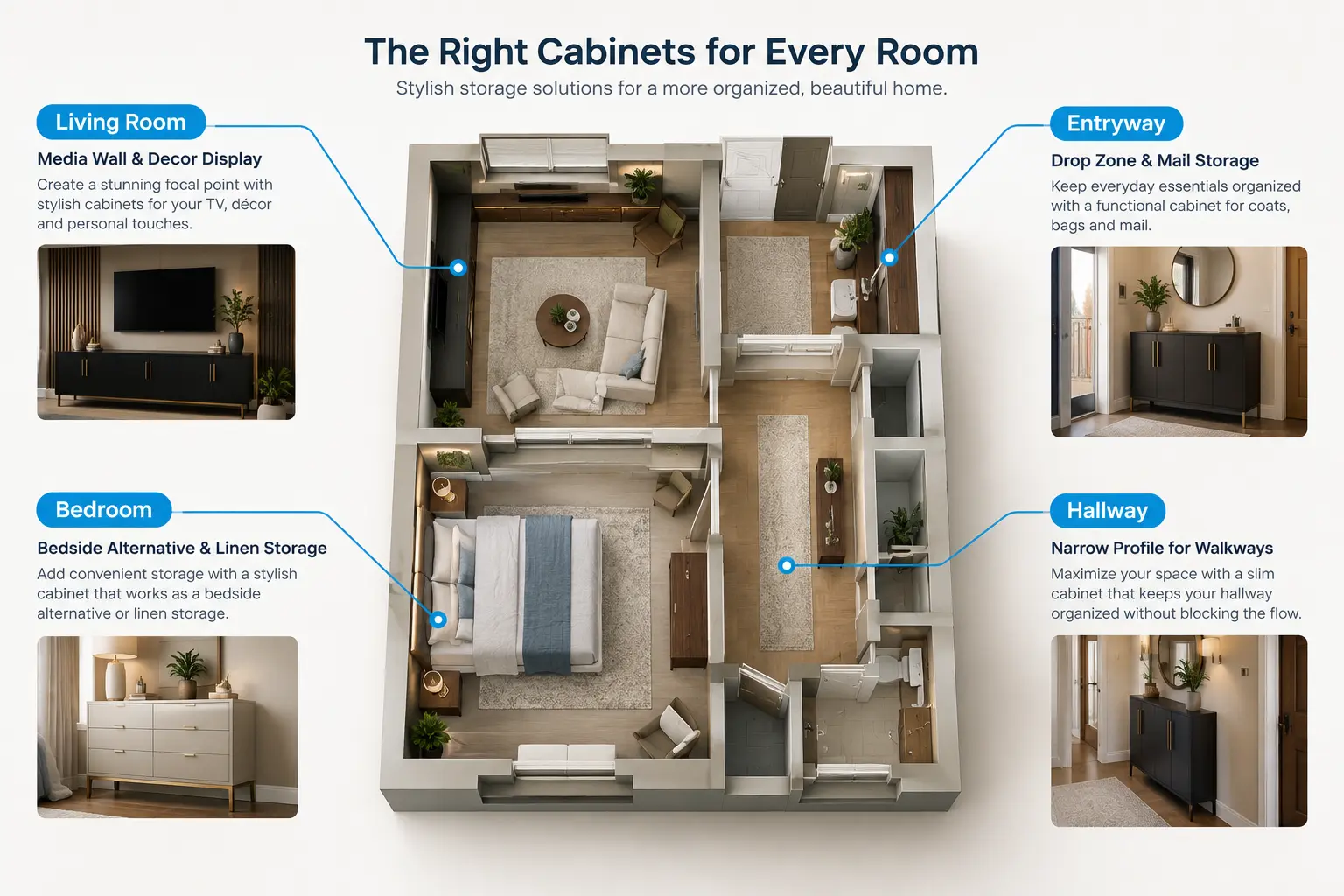
Part of what makes an accent cabinet so valuable is its flexibility; it earns its keep in nearly every room of the house. Living room: An accent cabinet for living room use (or simply a living room accent cabinet) is one of the most popular applications. It can anchor a media wall, flank a sofa, or stand alone as a display piece for books, framed photos, and decorative objects. Entryway: An entryway accent cabinet creates an instant “drop zone” for keys, mail, and outerwear, while keeping the visual clutter hidden behind closed doors. It’s often the first piece of furniture guests see, so it sets the tone for your home’s style. Kitchen: A kitchen accent cabinet offers overflow storage for serveware, linens, or pantry items when built-in cabinetry runs short and it can double as a stylish buffet for entertaining. Bathroom: An accent cabinet for bathroom use provides extra storage for towels, toiletries, and linens in a space where built-in storage is often limited, all while adding a furniture-grade touch to a typically utilitarian room. Home organization research consistently points to “designated drop zones” and furniture-based storage as key strategies for keeping shared spaces tidy and an accent cabinet checks both boxes at once.