


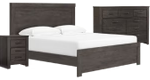
 Bedroom set
 King Size Beds
 Queen Size Beds
 Full Size Beds
 Daybeds
 Dresser & Mirrors
 Chest of Drawers
 Nightstand
 Vanity
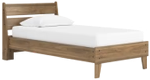 Twin Size
 Livingroom Set
 Recliner
 Sectional Couch
 Loveseat
 Sofas
Sofas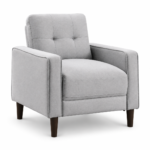 Chairs
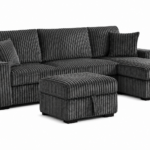 Sleeper Sofa
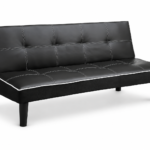 Sofa Bed & Futon
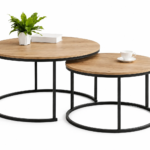 Coffee Table & End Table
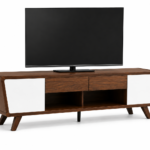 Tv Stands
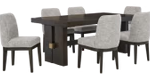 Dining Sets
 Chairs & Tables
 Counter & Stools
 King Size Mattresses
 Queen Size Mattresses
 Full Size Mattresses
 Box Spring Foundation
 Bunk Beds
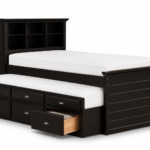 Loft Beds
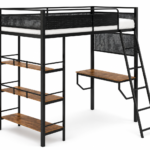 Trundle Beds
 Home Office
 Desks
Desks
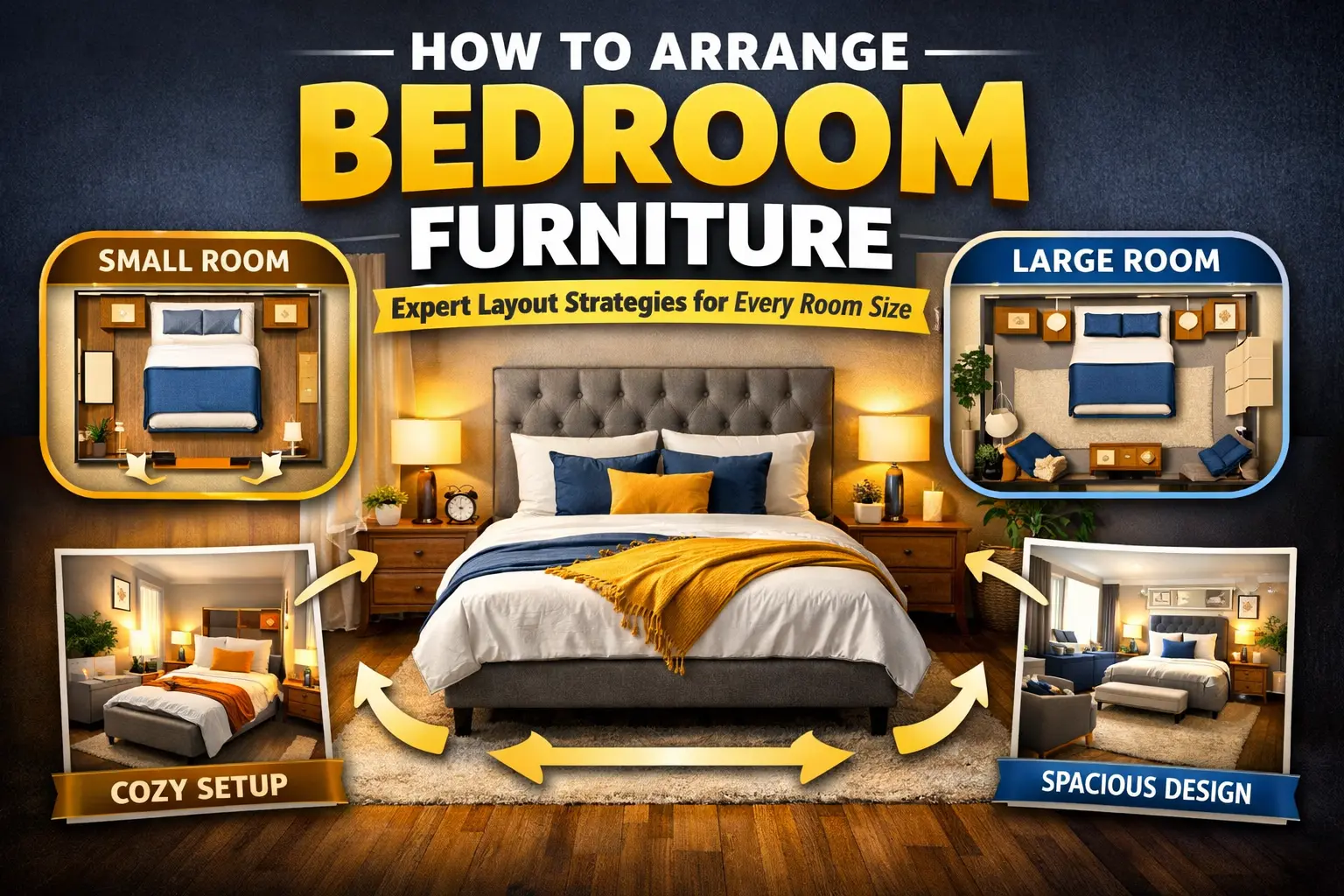
Over two decades of working with Arlington homeowners, we’ve arranged furniture in over 3,000 bedrooms ranging from compact 10×10 spaces to master suites exceeding 400 square feet.
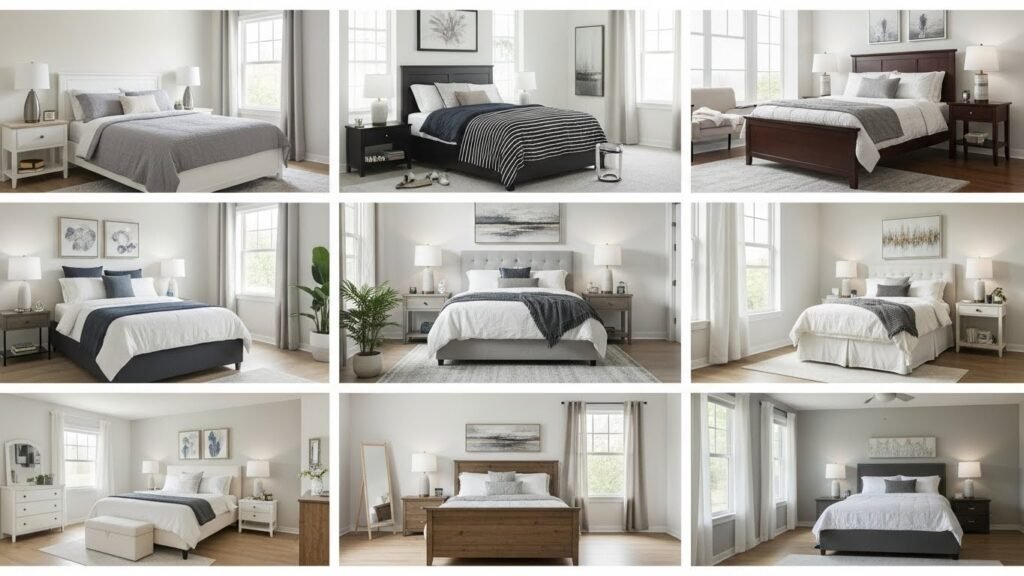
We’ve tested layout configurations against real-world constraints: HVAC vents that dictate bed placement, oddly positioned outlets that limit nightstand options, and door swings that eliminate entire wall options.
Our recommendations come from measuring what actually works in Texas homes, not theoretical design principles.
We evaluate bedroom furniture sets based on clearance requirements, traffic flow patterns, proportional balance, and long-term livability.
Every layout strategy below has been validated in real showroom consultations at our Arlington location.
This guide walks you through proven arrangement frameworks, room-specific solutions, and the exact measurements that separate functional layouts from cramped disasters.
You’ll learn which furniture pieces matter most for your specific room dimensions and how to avoid the costliest placement mistakes we see weekly.
The Space-Flow Framework: A Decision System for Any Bedroom
Purpose: Eliminate guesswork by scoring your layout options against four weighted factors that determine whether an arrangement will feel spacious or suffocating.
The Four Factors (Weighted)
- Primary Pathways (40% weight) – Minimum 36″ walkways from door to bed and closet
- Functional Zones (30% weight) – Dedicated areas for sleeping, dressing, and storage
- Visual Balance (20% weight) – Symmetrical or intentionally asymmetrical furniture weight
- Flexibility Access (10% weight) – Ability to open drawers, doors, and windows fully
How to Use It
Walk through your bedroom and measure the three most viable bed positions. Score each position 1-10 on all four factors. Multiply by the weight percentage.
The highest total score identifies your optimal layout. A score below 60 typically indicates you’ll need to reduce furniture quantity or choose smaller-scale pieces.
Outcome Interpretation
- 80-100: Ideal layout with room for additional furniture
- 60-79: Functional but requires precise furniture sizing
- Below 60: Consider a smaller bedroom furniture set or eliminate pieces
Understanding Bedroom Furniture Arrangement Fundamentals
The bed consumes 35-50% of most bedroom floor space, making its placement the single most impactful decision. Once positioned, every other piece arranges around it.
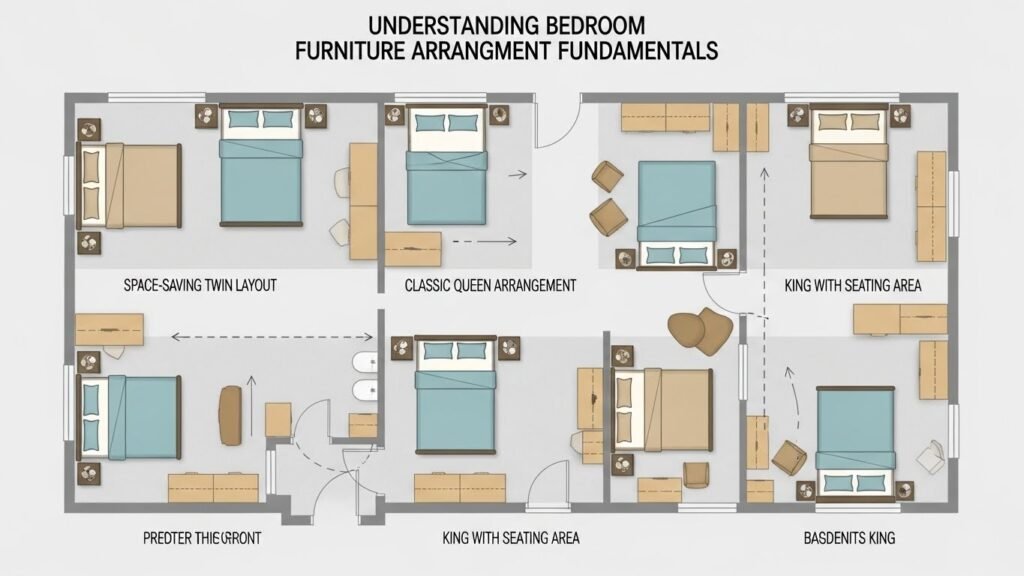
Most bedrooms support one of three core layouts: a bed centered on the longest wall (traditional), a bed positioned in a corner (space-saving), or a bed floated in the center (luxury suite style).
Your room’s architecture dictates which option works.
Critical measurements that govern all arrangements:
- Bed to wall clearance: 24″ minimum for making the bed comfortably
- Nightstand access: 3-6″ between bed and nightstand for lamp cords
- Dresser drawer swing: 36″ clearance in front for full extension
- Door swing radius: Mark this area as unavailable for furniture
- Window operation: Maintain a 12″ minimum clearance for opening
Room shape matters more than square footage.
A 12×14 bedroom with a centered door offers more usable layouts than a 14×14 room with an off-center entry that creates awkward wall segments.
How to Arrange Small Bedroom Furniture (Under 150 Square Feet)
Small bedroom furniture arrangement demands precision. A standard queen bed (60×80″) leaves only 30-40% of a 10×12 room for movement and storage.
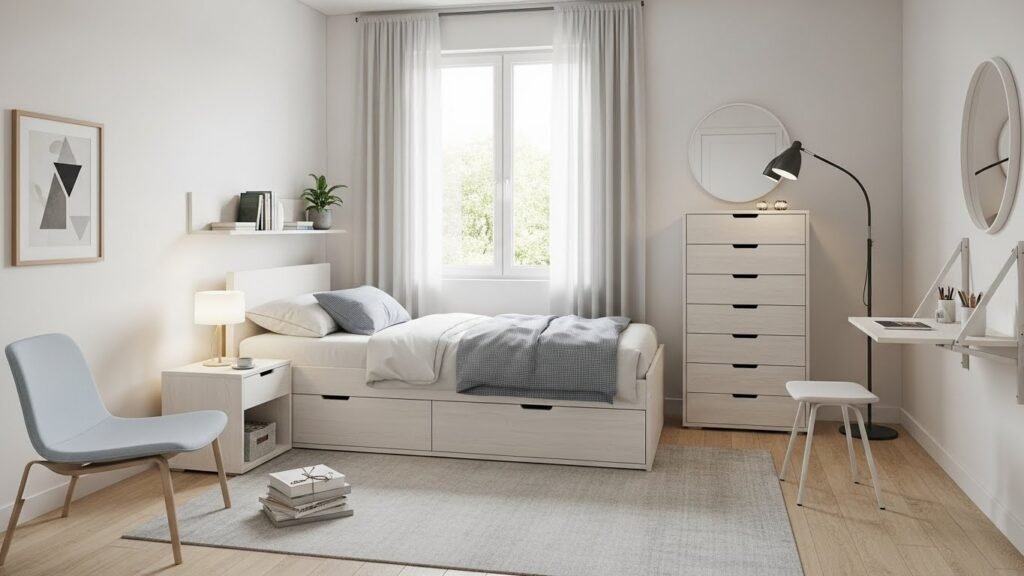
The Priority Sequence for Compact Spaces
First: Bed against the longest uninterrupted wall. This maximizes remaining floor space for circulation.
Second: A Single nightstand on the entry side of the bed.
Two nightstands in rooms under 120 square feet create visual clutter and reduce walkway width below comfortable thresholds.
Third: Vertical storage instead of wide dressers. A 5-drawer chest (30″ wide) preserves floor space compared to a 60″ dresser with equivalent storage.
Skip entirely: Benches, chairs, oversized ottomans. These read as decorative in magazines but become obstacles in daily use.
Small Room Layout That Actually Works
Position your queen bed centered on the 12 wall with the headboard flush against it.
Place a 24″ nightstand on the door-approach side with 4″ clearance from the bed frame. Install a 30″ chest of drawers on the perpendicular wall, ensuring 40″ between the dresser front and bed edge.
This configuration leaves a 36″ pathway from door to closet and provides 950+ cubic inches of storage.
What Most Guides Don’t Tell You: The smallest recommended nightstand for a queen bed is 20″ wide.
Narrower tables create proportion problems and lack surface area for a lamp base, plus personal items.
If your layout only permits 18″ clearance, mount wall sconces instead of using a table lamp.
Standard Bedroom Layouts (150-250 Square Feet)
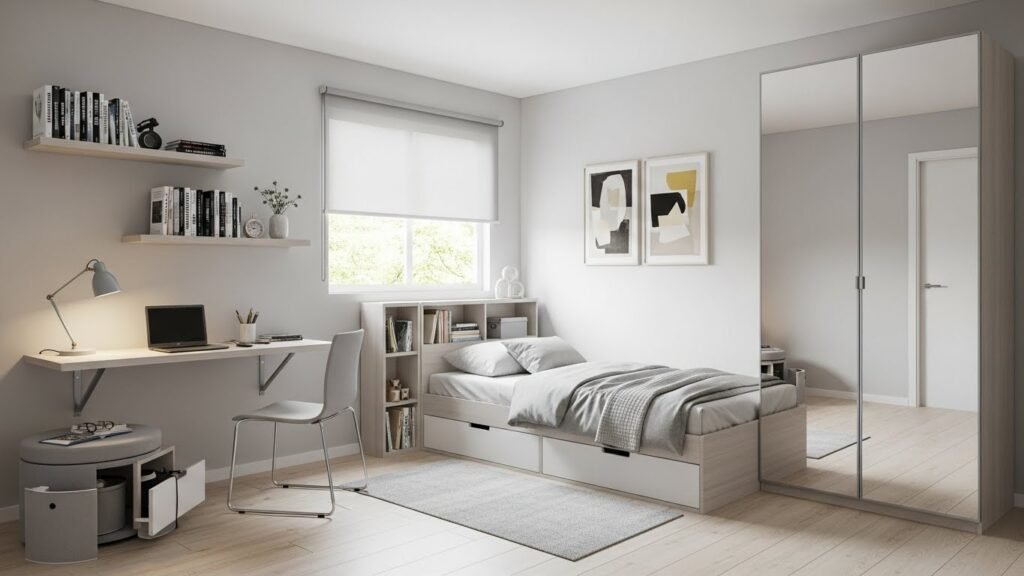
Medium bedrooms allow symmetry, which the human eye interprets as intentional design rather than “making it fit.”
The Balanced Approach
Center the bed on the dominant wall with matching nightstands (22-26″ wide).
Position a dresser on the opposite wall, ensuring it’s centered in the available space or deliberately offset for visual interest.
Add a reading chair in the corner if you maintain 30″ of passage space.
King vs. Queen considerations: A king bed (76×80″) adds 16″ of width. In rooms narrower than 13 feet, this reduces side clearances from comfortable to minimum thresholds.
Most buyers upgrading from queen to king underestimate how those 16 inches impact furniture placement and walking space.
Traffic Flow Patterns
Humans naturally walk the path of least resistance. Your door-to-bed pathway should be the widest clearance in the room (36-42″).
Secondary routes to the closet and bathroom can be narrowed to 30″ if necessary.
Before you finalize your layout, walk each route while holding a laundry basket. If you turn sideways or adjust your path, the clearance is insufficient for daily comfort.
Master Suite Arrangements (250+ Square Feet)
Large bedrooms tempt overfurniture syndrome. Just because you can fit eight pieces doesn’t mean you should.
Creating Intentional Zones
Sleeping zone: Bed plus nightstands, ideally floating 24-36″ from the wall behind to create depth and allow behind-bed access
Dressing zone: Dresser, chest, and mirror with 48″ of clearance for standing while dressing
Sitting zone: Two chairs plus a small table, positioned to face each other or a focal point like a fireplace
Workspace zone (optional): Compact desk against the wall, minimum 42″ from other furniture to roll a chair
Each zone needs physical or visual separation. Area rugs, lighting changes, or furniture orientation create boundaries without walls.
The Floating Bed Decision
Pulling your bed 30-40″ away from the wall creates dramatic symmetry and allows cleaning access behind the headboard.

This works when your room exceeds 14′ in the bed-placement dimension.
In smaller spaces, that 30″ becomes wasted square footage that would better serve as a functional zone.
What Most Guides Don’t Tell You About Furniture Weight Distribution
Bedroom furniture weighs substantially more than most buyers anticipate, impacting both arrangement during delivery and long-term floor stress.
How Much Does Bedroom Furniture Weigh?

A complete bedroom furniture set typically weighs 400-800 pounds:
- Queen bed frame with headboard: 80-150 lbs
- Mattress and box spring: 150-200 lbs
- Two nightstands: 60-100 lbs (30-50 lbs each)
- Dresser: 150-250 lbs (more when loaded)
- Chest of drawers: 100-150 lbs
The delivery tip calculation: Most buyers ask how much to tip for bedroom furniture delivery.
Industry standard is $20-30 per person for standard delivery, $40-60 per person if delivery includes assembly, stairway navigation, or removal of old furniture.
A typical two-person crew handling a complete bedroom set with assembly warrants $80-120 total.
Second-floor placement consideration: If arranging furniture in an upstairs bedroom, position heavy dressers along exterior walls or over load-bearing walls when possible.
This matters more in older homes with bouncy floor joists.
The Most Common Arrangement Mistakes We See Weekly
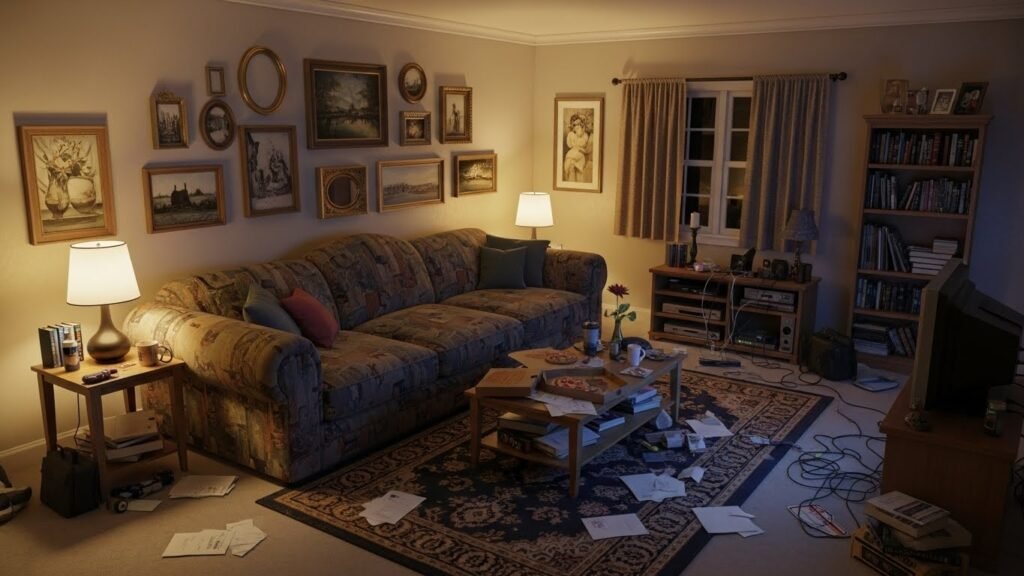
Mistake #1: Blocking HVAC returns. Furniture placed within 12″ of floor vents restricts airflow and creates hot/cold spots. Mark the vent locations before arranging.
Mistake #2: TV height miscalculation. The center of your TV should align with eye level when seated in bed (typically 38-42″ from the floor). Most dressers place TVs too high, causing neck strain.
Mistake #3: Ignoring electrical access. Beds positioned against walls without accessible outlets require extension cords that create visual clutter and safety issues. Identify outlet locations first.
Mistake #4: Proportional mismatch. A king bed in an 11×12 room overwhelms the space regardless of arrangement quality. Size down to queen if furniture dominates.
Mistake #5: One-sided access. Arrangements that trap one person against the wall require the other partner to climb over for late-night bathroom trips. Always maintain 24″ on both bed sides in shared bedrooms.
Comparing Furniture Scales: What Fits Where
| Room Dimensions | Maximum Bed Size | Nightstands | Dresser Width | Additional Pieces |
|---|---|---|---|---|
| 10×10 (100 sq ft) | Full | One 20-24″ | 48″ max | Vertical chest only |
| 10×12 (120 sq ft) | Queen | One or two 20-24″ | 54″ max | Slim chest or chair |
| 12×12 (144 sq ft) | Queen | Two 22-26″ | 60″ | Chest + chair |
| 12×14 (168 sq ft) | Queen/King | Two 24-28″ | 66″ | Chest + chair + bench |
| 14×16 (224 sq ft) | King | Two 26-30″ | 72″ | Full suite + seating |
| 16×18+ (288+ sq ft) | King | Two 28-32″ | 72″+ | Multiple zones |
This assumes standard door placement and rectangular rooms. L-shaped rooms or those with multiple doors require case-by-case evaluation.
Shopping for Bedroom Furniture: Set vs. Individual Pieces
How much is a bedroom furniture set compared to buying pieces individually?
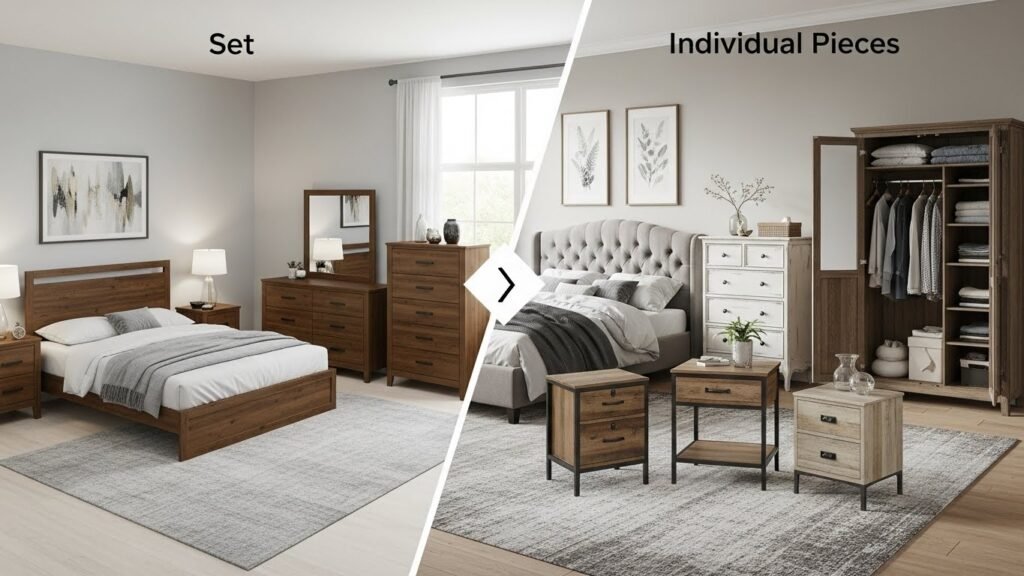
Complete sets range from $1,200-$4,500, depending on materials and brand, offering 15-30% savings versus individual pricing.
The trade-off: less flexibility in arrangement options since sets include predetermined piece sizes.
When sets make sense: First-time furniture buyers, those furnishing rental properties, or anyone prioritizing matching aesthetics over custom layouts.
When individual pieces work better: Unique room shapes, existing furniture you’re keeping, or when you need specific dimensions to solve layout challenges.
Who Has the Best Bedroom Furniture for Arrangement Flexibility?
Modular collections with multiple case piece widths (dressers available in 54″, 60″, 66″, and 72″) provide arrangement adaptability.
Look for brands offering nightstands in at least two width options to scale proportionally with different bed sizes.
The best bedroom furniture for difficult layouts includes pieces with finished backs (allowing floating placement) and shallow-depth options (24″ instead of 20″) that preserve walkway width.
What Bedroom Furniture is Trending in 2026 Arrangements
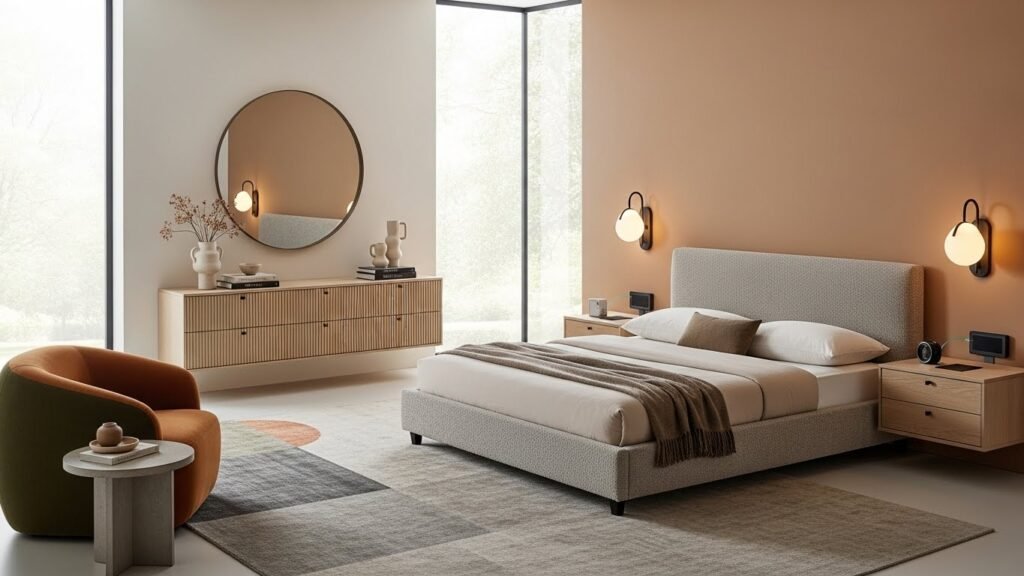
Current trends favor fewer, larger-scale pieces over multiple small items.
A 9-drawer dresser replaces the traditional dresser-plus-chest combination, freeing floor space.
Platform beds with built-in storage eliminate box springs and create 12-18″ of hidden storage, reducing the need for separate chests in small bedrooms.
Wall-mounted nightstand alternatives (floating shelves, swing-arm wall lamps) are gaining popularity in tight layouts where traditional nightstands crowd walking paths.
Texas-specific consideration: Low-profile beds (10-14″ mattress height) perform better in rooms with ceiling fans, maintaining 7+ feet of clearance for safe operation and visual proportion.
Financing Your Furniture Purchase: Making Room Transformation Affordable

Quality bedroom furniture represents a significant investment, but strategic arrangement planning ensures your pieces work effectively for years.
👉 Financing Options – Buy now, pay over time with low monthly payments that fit your budget.
Many Arlington buyers arrange their purchase timing to align with our flexible financing terms, allowing them to invest in properly sized furniture rather than compromising with undersized pieces that don’t solve their space challenges.
The long-term value calculation: Furniture sized correctly for your room lasts through multiple homes because proper proportions adapt to various layouts.
Oversized pieces become disposal problems when you move; undersized pieces look temporary regardless of quality.
We help you measure your bedroom, identify constraint factors, and select pieces that create functional, attractive arrangements.
Bring your room dimensions, photos of architectural features, and we’ll walk you through layout options using floor planning tools.
Our team serves Arlington and the surrounding Texas areas with delivery services that include furniture placement consultation, ensuring pieces land in optimal positions from day one.
How Much for Used Bedroom Furniture: The Secondary Market Option
Used bedroom furniture typically costs 40-70% of retail, but arrangement flexibility suffers when you’re limited to available pieces rather than ideal dimensions.
The sizing compromise: If you find a dresser that’s 72″ wide but your layout needs 60″, that 12″ creates permanent clearance problems. The cost savings rarely justify years of awkward arrangement.
Used furniture works best when supplementing existing arrangements (adding a single nightstand) rather than furnishing entire rooms where dimensional precision matters.
Frequently Asked Questions
How do I arrange bedroom furniture in a room with multiple doors?
Identify your primary pathway (most-used door to bed) and ensure 36″ clearance.
Secondary doors can narrow to 30″. Position the bed on the wall with the longest uninterrupted section between openings.
Avoid placing furniture in door swing radius zones.
What’s the minimum space needed between my bed and dresser?
Allow 36″ minimum if dresser drawers extend 18-20″. This provides standing space while accessing drawers.
If space is limited, choose dressers with soft-close drawers that don’t require pulling fully out, allowing clearance to reduce to 30″.
Can I arrange furniture before delivery or should I wait?
Pre-planning prevents delivery complications. Mark your intended furniture positions with painter’s tape on the floor.
Verify all clearances and door access before delivery day. Last-minute rearrangement while movers wait incurs additional labor charges.
Do I need two nightstands, or will one work?
Functional need: One nightstand serves a single sleeper; couples benefit from two.
Aesthetic consideration: Two nightstands create symmetry that the eye interprets as professional design.
Space reality: Rooms under 120 square feet often can’t accommodate two without reducing the walkway width below 30″.
What if my furniture doesn’t fit after delivery?
This is why we offer free in-showroom layout consultation before purchase. Bring room measurements to our Arlington location, and we’ll verify fit.
Our delivery team can also provide placement guidance, but major rearrangement during delivery may incur additional service fees.
Should I arrange furniture around existing built-ins or work around them?
Built-ins are fixed constraints. Arrange mobile furniture to complement them.
If you have a built-in desk on one wall, position your bed on the perpendicular wall to create distinct zones.
Use built-in storage capacity to reduce needed furniture pieces.
Your Next Steps: From Planning to Perfect Arrangement
You now have the framework for arranging bedroom furniture in any space.
Start by measuring your room, marking door swings and outlets, then applying the Space-Flow Framework to identify your optimal bed position.
Ready to move forward?
👉 Shop Complete Bedroom Sets – Browse furniture scaled for various room sizes
👉 Explore Financing – See payment options that make quality furniture accessible
👉 Schedule Showroom Visit – Get personalized layout guidance at 1629 New York Ave, Arlington, TX
The difference between a bedroom that works and one that frustrates you daily comes down to 6-12 inches of clearance in the right places.
Invest the planning time upfront, choose appropriately scaled pieces, and arrange with traffic flow as priority one. Your bedroom should enhance your life, not complicate it.
Questions about your specific layout? Call us at +1-817-666-0558. We’ve solved arrangement challenges in thousands of Arlington homes, and we’ll help you create a functional, beautiful space.


